
Hickman’s Family Farms, Arizona’s largest egg producer, has long marketed itself as a wholesome, family-run business. But a recent exposé by the Fair Agriculture Council, published on their website, reveals a troubling reality behind the sunny branding. Titled “Hickman’s Eggs’ Business Model: Exploited Prison Labor, Pollution, Animal Cruelty,” the report uncovers a pattern of unethical practices that demand public attention. Here’s a breakdown of the key issues and why they matter.
Broken Promises on Animal Welfare
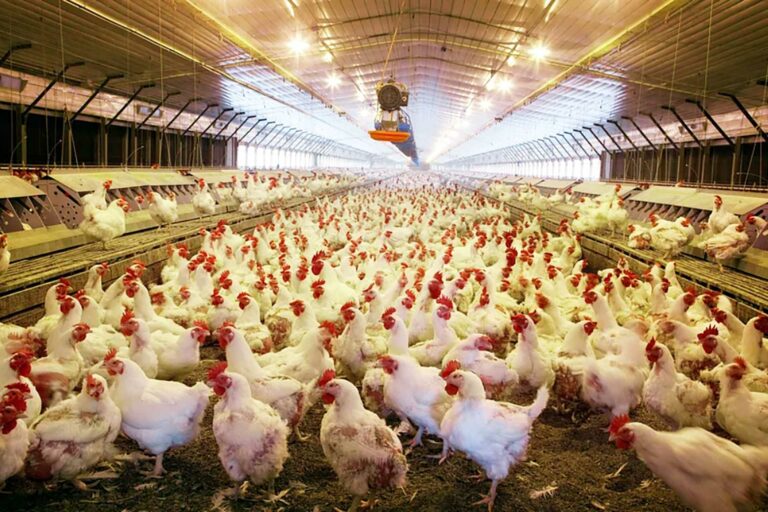
In 2020, Arizona passed a law requiring all eggs sold in the state to be cage-free by 2026, a move Hickman’s publicly supported. Yet, as the Fair Agriculture Council reports, the company quietly lobbied to delay this law’s implementation, successfully pushing it back to 2034. This reversal suggests Hickman’s used the cage-free pledge as a public relations stunt while prioritizing profits over animal welfare. Their hens—up to 13 million at a time—remain confined in cages so small each bird has less space than a sheet of paper.
Exploiting Incarcerated Workers
Hickman’s reliance on prison labor is another red flag. The company contracts over 300 incarcerated workers through the Arizona Department of Corrections, paying them minimal wages for dangerous tasks like operating industrial machinery and managing manure. From 2018 to 2022, these workers suffered over 250 injuries, including amputations and crushed limbs. A 2023 Cosmopolitan exposé highlighted the plight of women prisoners, noting 19 injuries in just nine months at a Hickman’s labor camp. Shockingly, the company’s CFO dismissed these incidents, implying workers were at fault. Hickman’s even lobbied to limit its liability for prisoner injuries, further evading accountability.
Environmental Harm and Community Impact
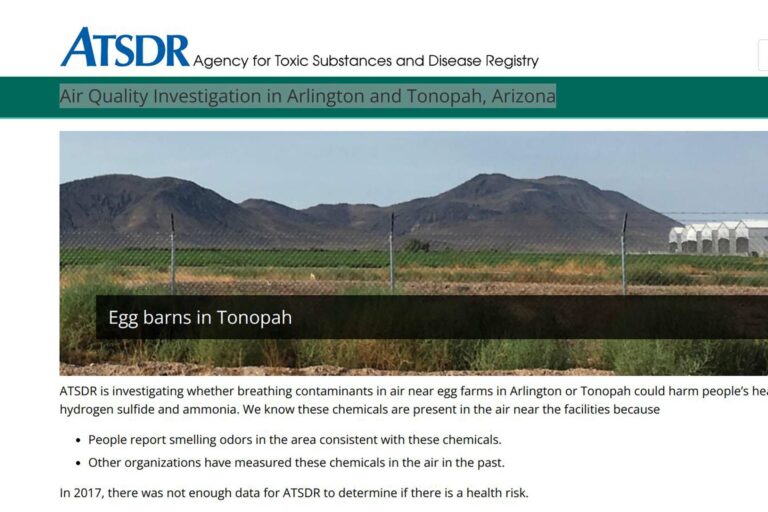
The environmental toll of Hickman’s operations is equally alarming. Their Tonopah facility emits over 1,000 pounds of ammonia daily, causing unbearable odors, fly infestations, and respiratory issues for nearby residents. Some have been forced to abandon their homes or businesses, while others saw property values plummet. When neighbors fought back with lawsuits, Hickman’s retaliated by countersuing and using drones to surveil their properties. A 2018 federal court ruling found the company in violation of environmental laws, yet they faced only a $3,000 fine—a mere slap on the wrist.
Animal Cruelty Exposed
Undercover footage from Direct Action Everywhere (DxE) in 2019 revealed horrific conditions at a Hickman’s facility in Arlington, Arizona. Hens were crammed into cages alongside decomposing corpses, struggling to breathe in ammonia-laden air. Rather than address these conditions, Hickman’s deflected by condemning the activists’ “criminal trespass.” While companies like McDonald’s and Costco have moved away from battery-cage eggs, Hickman’s clings to this outdated, inhumane practice.
A Growing Movement for Change
The Fair Agriculture Council’s investigation has sparked action. Their website, HickmansExposed.com, calls for transparency and urges companies like Fry’s, Farmer Boys, and Bashas to reconsider sourcing from Hickman’s. Major retailers like Sprouts and Costco have already distanced themselves, signaling a shift in consumer and corporate sentiment. The Council demands independent investigations into Hickman’s labor, environmental, and animal welfare practices—a reasonable request given the evidence.
Why This Matters
Hickman’s story isn’t just about one company; it’s a case study in how profit-driven businesses can exploit vulnerable workers, harm communities, and mistreat animals while hiding behind a friendly facade. As consumers, we have the power to demand better. By supporting ethical producers and pressuring companies to sever ties with Hickman’s, we can push for a food system that prioritizes fairness, sustainability, and compassion.
Take Action
Visit HickmansExposed.com to learn more and join the call for accountability. Share this story to raise awareness. Together, we can hold Hickman’s accountable and advocate for a future where no one—human or animal—pays the price for cheap eggs.