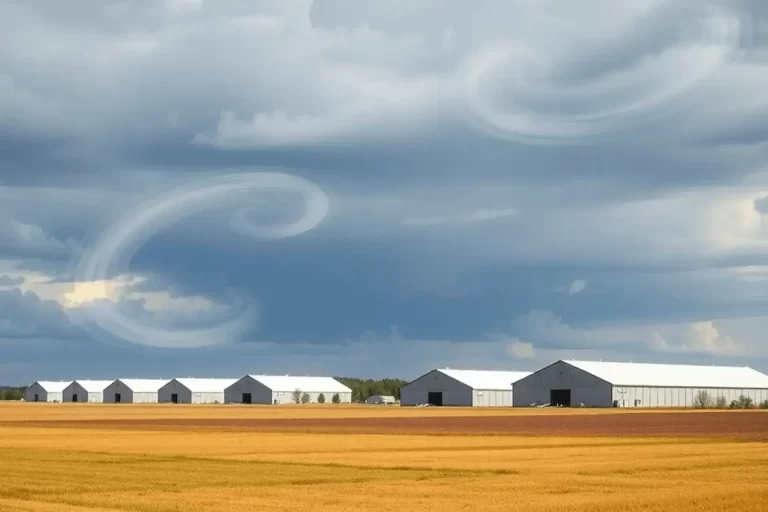

Tonopah residents, it’s been months since the devastating avian influenza outbreak hit Hickman’s Family Farms, wiping out over 6 million chickens and shuttering operations across Maricopa County.
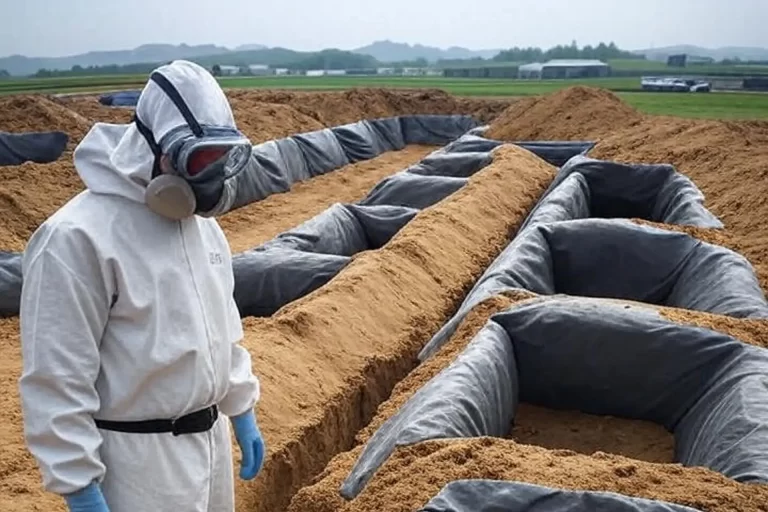
In July 2025, the Arizona Department of Environmental Quality (ADEQ) and other state agencies released a detailed community update on the emergency response, including the controversial onsite burial of millions of carcasses.
With the current date marking the completion of key milestones—like ADEQ’s data review on September 11—we at Tonopah STOPP are digging into what this means for our community’s health, water, and environment.
Despite assurances of low risk, the update raises red flags about long-term threats from industrial farming practices.
Here’s a breakdown of the state’s information, plus our call for greater accountability.
The Outbreak and Its Scale: A Timeline of Crisis
The outbreak kicked off in mid-May 2025 when chickens at Hickman’s Tonopah facility showed signs of highly pathogenic avian influenza (HPAI).
By May 16, tests from the Arizona Veterinary Diagnostic Laboratory (AZVDL) came back nonnegative, prompting the U.S. Department of Agriculture (USDA) and Arizona Department of Agriculture (AZDA) to order depopulation.
Confirmation from the National Veterinary Services Laboratory (NVSL) followed on May 19, and burial began shortly after with verbal approvals from USDA, AZDA, and ADEQ.
Fast-forward through June: Onsite burial was halted on June 2 as the scale grew overwhelming, shifting to landfill disposal for remaining carcasses.
By July, ADEQ issued a Temporary Emergency Waiver (TEW) to Hickman’s, allowing temporary deviation from aquifer protection rules while mandating protective actions.
Key upcoming dates included well sampling by July 4, dirt crown installation by July 13, a hydrogeologic study by August 12, and ADEQ’s review by September 11.
If that review finds a “reasonable probability” of aquifer impact, Hickman’s must submit designs for an engineered cap or berm by November 10.
As of today, September 13, we’ve seen no public announcements on the review’s findings—leaving locals in the dark about potential groundwater contamination.
This lack of transparency is troubling, especially given Hickman’s history of environmental issues.
Disposal Decisions: Burial vs. Landfill – Why the Switch and What Risks Remain?
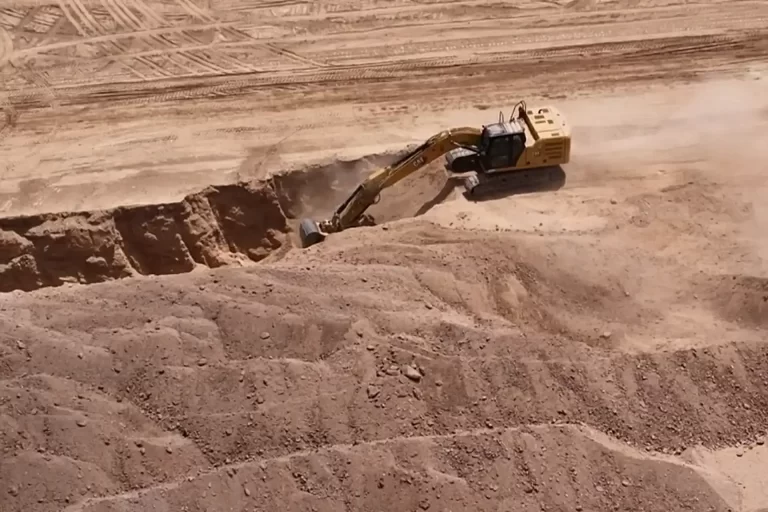
Out of the 6 million chickens lost, about 2.75 million were buried onsite at Hickman’s Arlington facility to minimize disease spread, while 3.25 million (plus egg production materials) went to permitted landfills.
The state justifies onsite burial as the quickest option during the emergency, citing challenges with alternatives like composting (logistics for carbon materials), incineration (fire season risks), or rendering (volume overload). However, as the outbreak expanded, agencies pivoted to landfills for their built-in protections, like liners to prevent leaching.
The update emphasizes that the burial site was chosen based on Natural Resources Conservation Service maps and Arizona statutes allowing agricultural exemptions.
A dirt crown has been installed to divert rainwater, and Hickman’s is sampling nearby private wells and conducting hydrogeologic studies. ADEQ claims the immediate groundwater risk is “very low,” but the TEW requires ongoing monitoring and corrective actions if issues arise.
From our perspective, this downplays real dangers.
Mass burials of decaying carcasses can release nitrates, pathogens, and other pollutants into soil and water—threats we’ve flagged since Hickman’s past fires and odors plagued Tonopah.
With facilities housing up to 12 million birds in overcrowded conditions, these outbreaks aren’t anomalies; they’re symptoms of unsustainable CAFO operations that prioritize scale over safety.
Regulatory Roles and TEW Requirements: Promises of Protection or Just Paperwork?
The response involved a web of agencies: USDA for outbreak control, AZDA for agricultural oversight, ADEQ for disposal regulation, Arizona Department of Health Services (ADHS) for human health, and others like the Maricopa County Sheriff’s Office for site security.
The TEW is central, requiring Hickman’s to:
- Install engineering controls like the dirt crown (done by July 13).
- Test local wells for water quality changes (started in July).
- Complete a site-specific hydrogeologic study (due August 12).
- Set up monitoring wells and report results regularly to ADEQ.
- Take immediate corrective action if pollutants are detected.
The state insists this doesn’t absolve Hickman’s of permitting responsibilities if aquifer risks emerge.
But with the September 11 review now passed without updates, we’re concerned: Has ADEQ found evidence of leaching? Will an engineered cap be mandated?
Tonopah families rely on these wells—any delay in disclosure could mean lasting harm to our water supply, already stressed by drought and pollution.
The CDC notes low public risk, mainly for workers handling birds, but we know better: Airborne emissions, flies, and odors from these sites exacerbate respiratory issues in our rural area.
This isn’t just about birds; it’s about protecting people from the fallout of Big Ag’s failures.
Our Call to Action: Demand Transparency and Sustainable Change
Hickman’s estimates a two-year recovery to normal production, but at what cost to Tonopah?
The state’s update is a step toward addressing concerns, but it glosses over the root cause: Industrial farms like Hickman’s create disease hotspots through overcrowding and poor biosecurity.
We’ve advocated for reforms like the Farm System Reform Act to curb these risks and push for humane, eco-friendly alternatives.
With no new updates post-July, we’re urging residents to contact ADEQ and AZDA for the September review results.
Report sick birds via the hotline (1-866-536-7593) and join our efforts—donate to Tonopah STOPP to fund independent water testing and legal challenges.
Together, we can hold Hickman’s accountable and safeguard our community’s future.
Stay vigilant, Tonopah. Share this and let’s push for real protections.