
In the sweltering heat of Arizona’s West Valley, a new chapter in the ongoing avian influenza saga has unfolded, blending shocking visuals of mass carcass disposal with heated debates over taxpayer costs and animal welfare. On May 28, 2025, InMaricopa.com reported on footage released by animal rights group Animal Outlook, purporting to show workers at Hickman’s Family Farms’ Tonopah facility loading dead hens into trucks following a confirmed bird flu outbreak. This incident, part of a broader catastrophe that has decimated 95% of the company’s Arizona flock—about 6 million birds—has activists decrying a “broken system” subsidized by public funds. As of September 15, 2025, the fallout continues, with layoffs, supply disruptions, and calls for vaccination reform echoing through the industry. This blog post dissects the article’s revelations, contextualizes them within Hickman’s year of avian flu woes, and examines the implications for consumers, taxpayers, and Arizona’s egg supply.
Footage seems to show mass hen dumping as activists say bird flu outbreak may cost taxpayers $38M
The Footage: A Grim Snapshot of Crisis Response
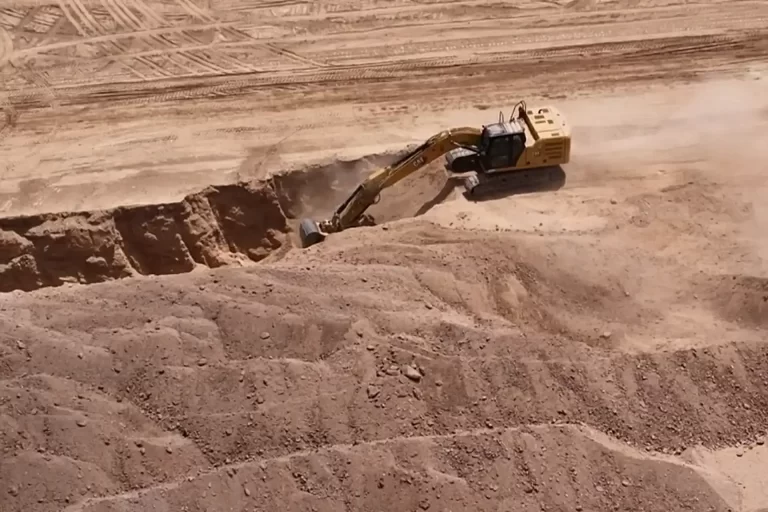
The article’s centerpiece is a screencap from undercover video footage obtained by Animal Outlook, a Washington, D.C.-based nonprofit advocating for farm animal protection. The clip, dated May 2025, allegedly captures the mass dumping of culled hens at Hickman’s Tonopah facility, roughly 20 miles west of Buckeye in Maricopa County. In the image, dead birds are visible being handled by workers who appear not to be wearing full protective gear—a detail that raises biosecurity concerns, though it couldn’t be independently verified by the publication.
Animal Outlook claims the footage documents the aftermath of a bird flu outbreak that killed 2.3 million birds at the site, though Hickman’s has not confirmed this specific figure. The group released the video to spotlight what they call inhumane disposal practices amid the culling process. While the article doesn’t embed the full video, it describes it as evidence of the “devastating” scale of the operation. This isn’t isolated; broader reports from outlets like 12News have shown trenches being dug at the Tonopah farm for on-site burials, sparking resident fears of groundwater contamination from biological fluids seeping into local aquifers. The EPA prefers composting or landfill methods for minimal environmental impact, but state approvals allowed the burials to proceed legally.
Glenn Hickman, president and CEO of the family-owned company, did not respond to InMaricopa’s requests for comment on the footage by publication time. However, in a May 30 press conference, he described the overall losses as a “tragedy,” emphasizing efforts to contain the airborne virus despite measures like lasers, air cannons, and mandatory showers for staff entering barns.
The Bird Flu Outbreak: From Detection to Devastation
The outbreak referenced in the article stems from clinical signs observed on May 21, 2025, at a commercial poultry farm in Maricopa County—widely reported as one of Hickman’s three West Valley facilities (Tonopah, Arlington, and Buckeye). The Arizona Department of Agriculture (AZDA) confirmed the H5N1 avian influenza via the National Veterinary Services Laboratory the following day, triggering an immediate quarantine overseen by state, federal (USDA), and local health agencies.
This May event escalated a series of infections that began earlier in the year. In February 2025, Hickman’s lost over 1 million hens (20% of its flock) at a Maricopa farm, followed by another 1.1 million in subsequent outbreaks. By late May, the virus had spread to three farms and a replacement pullet flock, forcing the euthanasia of 95% of Arizona’s birds—totaling around 6 million across the state. Only smaller operations in Maricopa and Grand Junction, Colorado (with about 600,000 birds combined), remained unaffected.
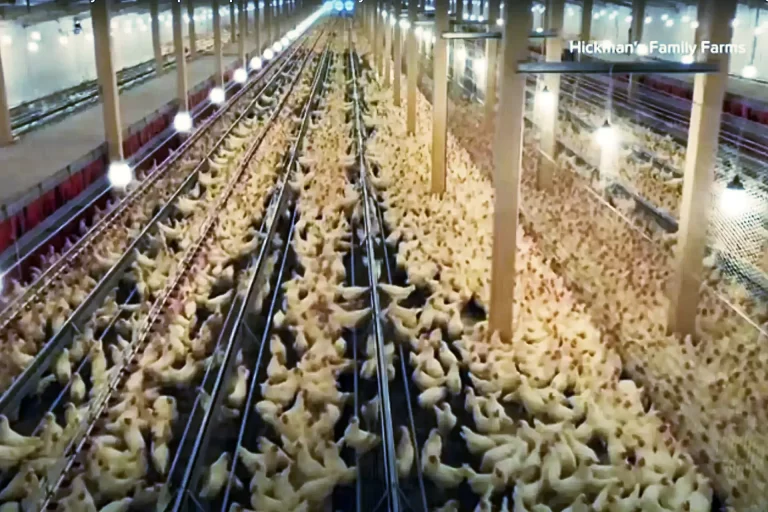
Hickman’s, Arizona’s largest egg producer and a top-20 national player, produces nearly 2 billion eggs annually from up to 13 million hens. The company noted this as the first time in its 81-year history it couldn’t meet 100% of customer demands. No eggs from infected birds entered the food supply, and the CDC maintains the public health risk is low, with no human cases linked in Arizona. However, direct exposure risks for workers prompted enhanced PPE and monitoring protocols.
The virus’s airborne nature, carried by wild birds along migration routes, proved containment challenges insurmountable, as Hickman explained: “We have to bring in air for the chickens to breathe. That’s our gap.”
Activist Outrage: Taxpayer Costs and Cruelty Claims
Animal Outlook’s release of the footage wasn’t just visual shock value—it was a pointed critique of industrial agriculture. Executive Director Ben Williamson stated, “This devastating outbreak at Hickman’s represents everything wrong with industrial animal agriculture. Taxpayers are essentially subsidizing this broken system through increased federal indemnity payments.”
The $38 million figure cited by the group stems from a recent USDA policy doubling compensation for culled birds to $16.94 per bird (from about $8). For 2.3 million birds at the Tonopah site alone, this equates to the estimated payout—part of broader federal indemnities totaling billions nationwide amid the largest animal health emergency in U.S. history, affecting over 170 million birds and 1,000 dairy herds across all 50 states by June 2025.
Activists also slammed culling methods like “ventilation shutdown,” where barns are sealed, ventilation halted, and heat added to euthanize birds—described as “baking them alive.” The ASPCA has called for its ban since 2020, arguing for more humane alternatives. This ties into ongoing criticisms of Hickman’s from groups like Direct Action Everywhere and the Fair Agriculture Council, including prior allegations of animal cruelty in cramped cages and environmental pollution.
Online discussions, including Reddit threads in r/H5N1_AvianFlu, have amplified these views, with some users labeling the outbreak “karma” for alleged poor welfare practices, while others defend Hickman’s biosecurity diligence. A June 4 letter to the editor in The Arizona Republic countered the karma narrative, noting the company’s push for cage-free laws at significant cost.
Company and Industry Response: Layoffs, Recovery, and Vaccine Pleas
Hickman’s has been vocal about the human toll: By June 27, the company announced layoffs of hundreds from its 850-employee workforce, including ending its incarcerated labor program. “This is a tragedy for us,” Hickman reiterated from February, now amplified by the scale of losses.
Recovery is projected at two years to repopulate flocks, during which Hickman’s is sourcing eggs from alternative suppliers to stock Arizona stores and restaurants like Fry’s and Bashas’. The CEO has repeatedly urged USDA approval for bird flu vaccines—available in Europe for years and even manufactured in the U.S. but restricted here to protect poultry exports. “European countries have now been vaccinating their flocks for a couple of years and are gaining the upper hand,” Hickman said in June. A conditional license was issued to Zoetis in February, but full implementation awaits federal greenlight.
Nationally, states like Iowa, Minnesota, and California bore the brunt earlier, but Arizona’s outbreaks have localized the pain, contributing to egg price volatility despite recent national declines.
Broader Implications: Economic Strain and Calls for Reform
The $38 million indemnity highlights a contentious debate: Are taxpayers footing the bill for preventable risks in factory farming? Animal Outlook and allies demand independent probes into practices, while Hickman’s frames the crisis as an unavoidable “airborne virus” issue. Environmentally, Tonopah residents worry about burial sites contaminating groundwater, echoing past pollution suits against the company.
For consumers, expect continued supply tightness in Arizona, though Hickman’s anticipates no sharp price hikes. Report sick poultry to USDA’s hotline (1-866-536-7593) or wild birds to Arizona Game and Fish (623-236-7201). Support ethical sourcing by choosing cage-free or local alternatives where possible.
Looking Ahead: Cracking the Cycle of Outbreaks?
As September 2025 approaches the fall migration season, vigilance is key. The InMaricopa article and footage underscore the raw realities of industrial egg production under siege from H5N1. While Hickman’s innovates with robotics and sustainability claims, activists see systemic failure. With vaccines in limbo and indemnities soaring, will this prompt real change—or just more taxpayer-subsidized recovery? Dive into the full story on InMaricopa.com and share your take in the comments: Is it time for U.S. poultry vaccination? Stay informed on Arizona’s ag frontlines.