

As Arizona continues to grapple with the ongoing avian influenza (H5N1) outbreak that’s already devastated poultry farms and driven up egg prices, a new development has raised eyebrows in the dairy sector. On June 24, 2025, the Arizona Department of Agriculture (AZDA), in partnership with the U.S. Department of Agriculture (USDA), confirmed the detection of H5N1 in milk produced by a dairy herd in Maricopa County. This marks the second such instance in Arizona’s dairy operations this year, following an earlier detection in February. The news, first reported by All About Arizona News, underscores the virus’s expanding reach beyond birds into mammals, but officials are quick to emphasize that the risk to public health remains low. In this blog post, we’ll break down the details from the article, provide context on the broader outbreak, and explore what it means for consumers, farmers, and the state’s agricultural economy as of September 2025.
The Detection: Key Facts from the Report
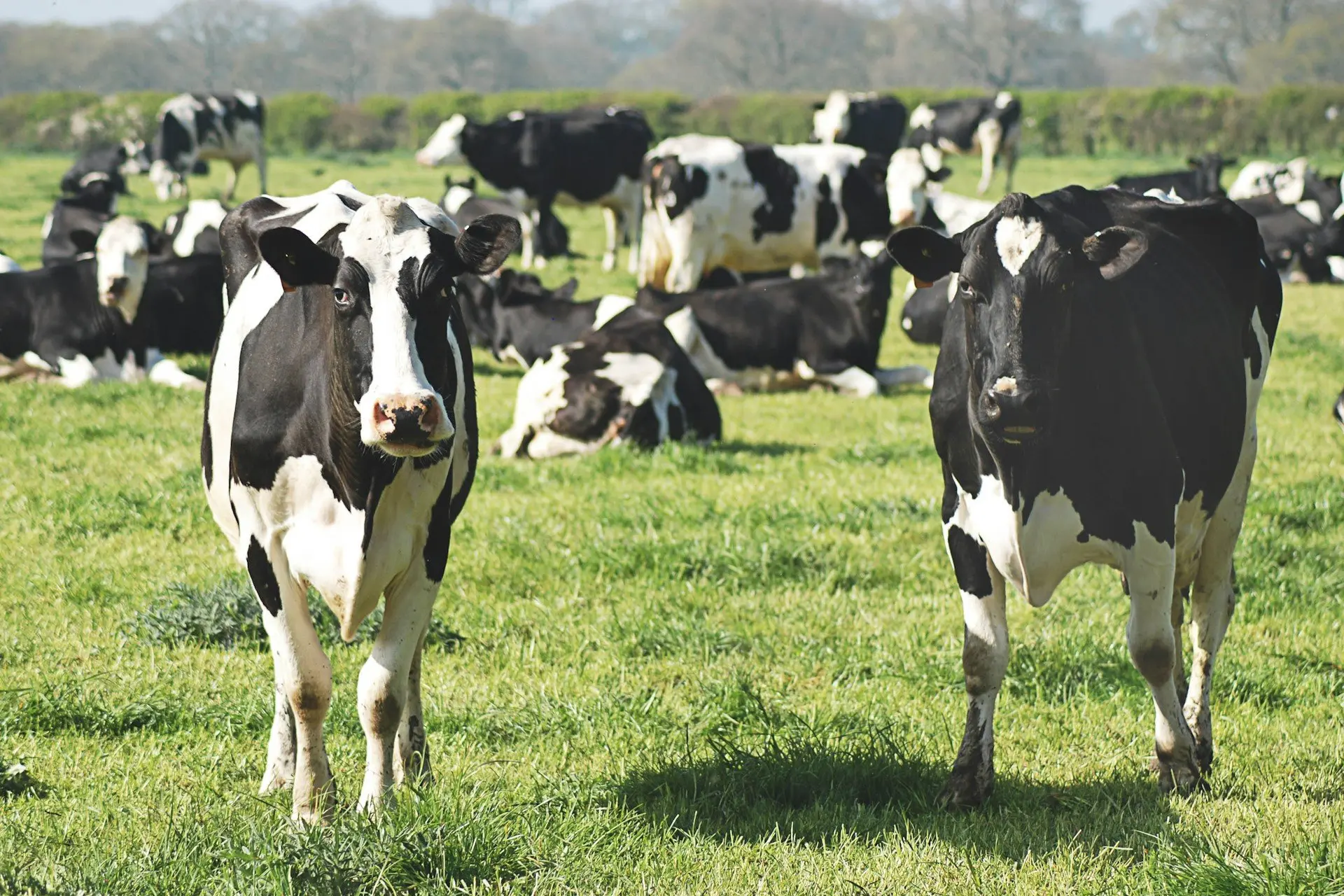
The article on All About Arizona News highlights a routine test under the National Milk Testing Strategy that uncovered the virus in bulk milk samples from an unnamed dairy facility in Maricopa County, home to Phoenix and a hub for much of Arizona’s dairy production. Detected on June 24, this case involves the D1.1 genotype of H5N1, which authorities describe as low-risk for human transmission because it lacks mutations that could facilitate easier spread to people.
Importantly, the cattle in this herd have shown no clinical signs of illness—a departure from some other strains like B3.13 that have caused symptoms in cows elsewhere. As a precaution, the facility was placed under quarantine immediately, and any animals that develop symptoms will be isolated to prevent further spread within the herd. The article quotes officials stating, “Officials emphasized that the D1.1 genotype detected in the milk does not carry any traits that would increase the risk of transmission to humans.” This aligns with broader USDA guidance, which notes that pasteurization—the heat treatment process used for commercial milk—effectively kills the virus, making pasteurized dairy products safe for consumption.
This isn’t Arizona’s first brush with bird flu in dairy. Back on February 11, 2025, AZDA reported the state’s initial detection in a Maricopa County herd, also of the D1.1 genotype, leading to the first quarantine of a dairy facility. By mid-February, reports from outlets like USA Today and AZFamily confirmed the virus in Phoenix-area milk, with no illnesses in cows at that time either. The June case, while concerning, fits into a pattern of vigilant monitoring: Since January 2025, every dairy in Arizona has been tested at least once via bulk tank sampling, and only these isolated instances have tested positive.
Broader Context: Arizona’s Avian Flu Challenges in 2025
Arizona’s avian influenza saga began intensifying in late 2024 and has escalated dramatically in 2025, particularly affecting poultry. The virus, highly pathogenic avian influenza (HPAI) H5N1, has led to the culling of millions of birds nationwide, with Arizona hit hard. In February 2025 alone, outbreaks forced the depopulation of flocks at commercial farms in Pinal County and backyard operations in Maricopa County. By spring, the state saw wastewater detections of H5 subtypes in Maricopa County cities like Phoenix, Surprise, and Tempe, signaling environmental circulation—though genetic analysis linked it to wild bird strains rather than the dairy-adapted version.
The dairy spillover adds another layer. Nationally, nearly 970 herds have tested positive since the outbreak jumped to cows in March 2024, according to STAT News. In Arizona, the February and June detections suggest multiple spillovers from wild birds, prompting USDA’s Animal and Plant Health Inspection Service (APHIS) to warn of increased risks from bird exposure on farms. Social media buzz on X (formerly Twitter) reflects public concern: Posts from users like @outbreakupdates and @TheCalvinCooli1 in February highlighted the Maricopa County case as a “first” for Arizona cattle, with some speculating on supply chain impacts. More recent X discussions, such as from @GrandCnynTimes in July, reiterated the quarantine and low human risk, but echoed worries about pet food contamination—tying into separate reports of Oregon cats dying from raw pet food laced with H5N1.
Experts like Dr. Michael Worobey, quoted in Arizona PBS, explain that wild birds flying along migration routes can introduce the virus to farms: “They will sometimes land on dairy farms, and they’ll sometimes land near poultry operations.” This has broader implications, including economic strain. Dairy farmers face tighter biosecurity measures, like enhanced fencing and wildlife deterrents, while consumers deal with fluctuating milk prices amid national shortages.
Health Implications: Low Risk, But Precautions Matter
The good news? No human cases have been linked to these dairy detections in Arizona. The CDC reports 68 human H5N1 cases nationwide since 2024, mostly among workers with direct animal contact, and Arizona has seen zero. Maricopa County Public Health stresses that the overall public health risk is low, with no evidence of human-to-human transmission. Wastewater monitoring in the county continues to track the virus, but officials like Dr. Nick Staab note, “Given that no human cases have been identified… the overall risk of avian flu to people remains low.”
For animals, the story is grimmer. Infected cows can shed the virus in raw milk, potentially spreading it to other livestock or even pets if raw products are consumed. The article and related reports urge avoiding raw (unpasteurized) milk and cheese, especially from suspect herds—pasteurization is key to safety. Dairy workers are at slightly higher risk and should use PPE, with AZDA collaborating with the Arizona Department of Health Services (ADHS) and Maricopa County health officials for monitoring.
On X, users like @KristyTallman shared videos warning about raw milk risks, while @CovidSafeNZ noted the asymptomatic nature of D1.1 in cows, emphasizing it’s “unrelated to the recent Nevada detection.”
Official Responses and Consumer Recommendations
AZDA’s response has been swift: Quarantine, isolation protocols, and ongoing testing. They’re partnering with USDA, ADHS, and local health departments to guide worker safety and curb livestock spread. Nationally, the CDC’s July 2025 update streamlined H5N1 reporting, integrating it with routine flu surveillance, signaling a managed but watchful approach.
For consumers:
- Stick to pasteurized products: All commercial milk undergoes this process, killing the virus.
- Avoid raw milk: Especially from unverified sources—it’s riskier for bird flu and other pathogens.
- Monitor for symptoms in high-risk groups: Dairy workers should watch for flu-like signs and report exposures.
- Support biosecurity: If you’re near farms, report dead wildlife to the Arizona Game and Fish Department (623-236-7201) or sick poultry to USDA (866-536-7593).
- Get your flu shot: It won’t prevent H5N1 but reduces co-infection risks.
Maricopa County’s avian flu page reinforces: “Public Health is working closely with federal, state, and local agencies to prevent, detect, and contain H5N1 outbreaks.”
The Road Ahead: Balancing Caution and Confidence in Arizona’s Dairy
As of September 15, 2025, Arizona’s dairy industry remains resilient, with no widespread disruptions from these detections. However, the June case in Maricopa County serves as a reminder of H5N1’s adaptability—spilling over from birds to cows via wild exposure. While the D1.1 genotype poses minimal human threat, it highlights the need for sustained vigilance, especially with migration seasons approaching.
Farmers are urged to bolster defenses, and consumers can play a role by choosing trusted, pasteurized sources. If you’re in Arizona, check AZDA’s website for updates, and consider the bigger picture: This outbreak has already cost the poultry sector dearly, but proactive testing like the National Milk Testing Strategy is preventing worse outcomes. For more on the story, head to the original article on All About Arizona News. What are your thoughts on bird flu’s impact on local food supplies? Share in the comments—stay informed, stay safe!