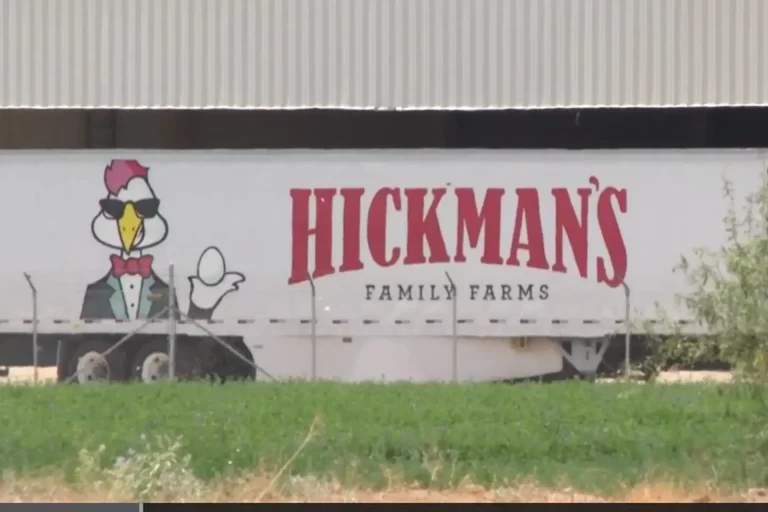

Devastating Losses at Hickman’s Family Farms
In a recent report from 12News, Arizona’s largest egg producer, Hickman’s Family Farms, is beginning the long road to recovery following a catastrophic avian influenza outbreak that claimed over eight million chickens at their facilities. This news comes amid ongoing concerns in Tonopah, where residents have long battled the environmental and health repercussions of the farm’s industrial-scale operations. While Hickman’s touts this as a “first step” toward rebuilding, the story underscores the vulnerabilities of such massive Concentrated Animal Feeding Operations (CAFOs) and the ripple effects on local communities like ours.
Human and Economic Toll
The outbreak, which forced the culling of the infected flocks, also led to widespread employee furloughs, highlighting the human cost of these crises. Jessica Ven, who oversees the farm’s vaccination efforts, shared the emotional toll in the article: “It’s been tough because it’s not just employees, we’re all a family here. So, just knowing certain people had lost their jobs, it hurts, because again, we’re not just employees, we’re all pretty much a family.” Clint Hickman, Vice President for Sales and Marketing, echoed this sentiment, stating, “This is the first step to get our people back.”
Rebuilding and Biosecurity Measures
Rebuilding efforts have kicked off with the introduction of over 300,000 new chicks in recent days—the first repopulation since the disaster. To prevent further spread, the farm has implemented stringent biosecurity protocols, including antiviral baths for vehicles, mandatory personal protective gear for visitors (such as shoe and clothing covers), and requirements for employees to shower before entering facilities. Visitors must even step into trays of chlorine and be sprayed with antiviral solution upon entry. Hickman emphasized the gravity of the situation, revealing, “We had to get rid of the flock because I was deathly afraid that this virus was going to jump over into the humans, and our family doesn’t want to be known as ‘typhoid Hickman’s’ in any way. We prayed every night.”
Calls for Industry Change
Clint Hickman also advocated for broader changes, pushing the USDA to permit vaccination of egg-laying hens in Arizona—a practice resisted by the broader chicken meat industry due to international export restrictions. However, the article glosses over the deeper environmental fallout that Tonopah residents continue to face. Past incidents at Hickman’s, including multiple hen house fires and previous avian flu crises documented on our blog, have raised alarms about mass poultry burials contaminating local well water, taxpayer-funded cleanups, and heightened risks of air pollution from ammonia and volatile organic compounds (VOCs). This latest outbreak only amplifies these issues, as the disposal of millions of birds could exacerbate odors, fly infestations, and groundwater threats in our rural community.
Ongoing Concerns for Tonopah
For Tonopah, this “rebuild” isn’t just about restocking chickens—it’s a stark reminder of the unchecked growth of industrial farming and its toll on public health and quality of life. As egg prices fluctuate and supply chains strain, we’re left questioning accountability: Who bears the cost when these CAFOs fail? Tonopah STOPP continues to advocate for stricter regulations, sustainable alternatives, and protections under right-to-farm laws that prioritize community rights. Stay tuned for updates on the avian flu crisis, and consider supporting our efforts to ensure a healthier future for Tonopah. Donations are crucial to amplifying our voice against these ongoing battles.