
Navigating Catastrophic Animal Mortality: Lessons from Hickman’s Bird Flu Crisis and USDA Guidelines
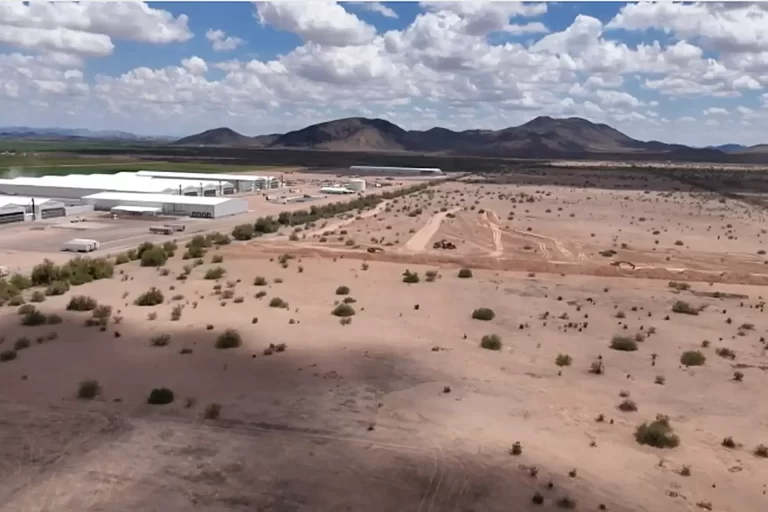
In the arid expanse of Tonopah, Arizona, a family-run egg empire has faced a nightmare scenario that’s all too familiar in modern agriculture: a devastating bird flu outbreak.
Hickman’s Family Farms, one of the state’s largest egg producers, announced in May 2025 that it had lost 95% of its Arizona flock—roughly 6 million hens—to highly pathogenic avian influenza (HPAI).
This isn’t their first rodeo; it’s the third outbreak in under a year, with earlier culls in January (300,000 birds) and May (2.3 million).
The human and environmental toll has been immense, sparking community backlash, lawsuits over odors and nuisances, and even a state-issued waiver for mass burial sites.
As producers grapple with rebuilding (a process Hickman’s president Glenn Hickman estimates will take two years), this crisis underscores the critical need for structured emergency planning.
Released in July 2022, this 9-page guide offers a blueprint for handling catastrophic livestock deaths—precisely the kind of event unfolding at Hickman’s.
In this post, we’ll break down the document’s key insights and draw direct parallels to the Tonopah situation, showing how federal standards can mitigate risks to water, health, and communities.
The Hickman’s Crisis: A Poultry Producer’s Worst Nightmare
Hickman’s operates massive facilities in Tonopah, producing millions of eggs annually for Arizona supermarkets.
But HPAI, a highly contagious virus, struck hard.
By late May 2025, the farm had culled over 6 million birds to contain the spread, in line with USDA protocols for disease outbreaks.
The response?
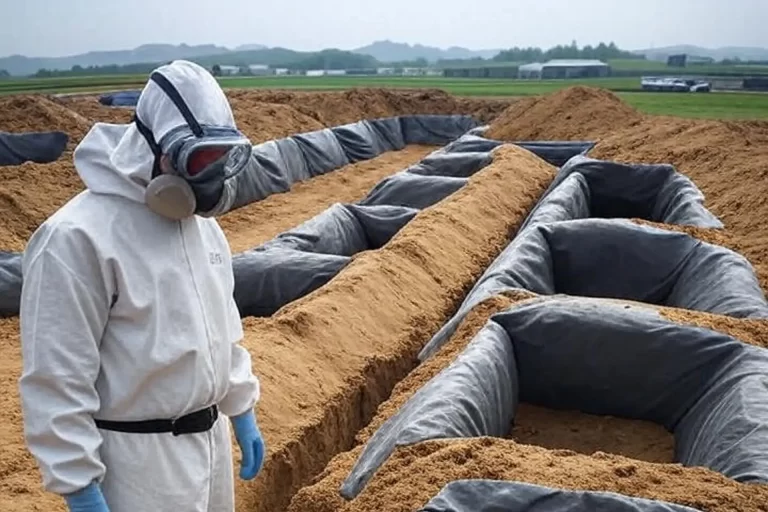
Emergency burials in 12-foot-deep trenches on-site, holding about 4 million carcasses, after Arizona’s Department of Environmental Quality issued a waiver to expedite the process.
Community members in nearby Tonopah have raised alarms about potential groundwater contamination, foul odors, and the psychological strain on farmers—issues that echo broader concerns in animal agriculture during disasters.
This isn’t just a local story; it’s a stark reminder of vulnerabilities in intensive farming.
Bird flu outbreaks have surged globally since 2022, costing U.S. taxpayers over $1 billion in indemnities alone.
For Hickman’s, the financial hit could exceed $38 million in lost production and cleanup, not to mention the ethical questions around mass culling.
But how do you manage millions of dead birds without turning a farm into an environmental hazard?
That’s where USDA CPS 368 steps in.
What Is USDA CPS 368? A Federal Roadmap for Crisis Response
The Emergency Animal Mortality Management standard is designed for “catastrophic mortality events”—think natural disasters, disease outbreaks like HPAI, or barn fires that leave thousands of animals dead.
Unlike routine deaths (covered under CPS Code 316), this applies to large-scale losses, but with caveats: It doesn’t cover disease-related mortality without approval from state vets or the USDA’s Animal and Plant Health Inspection Service (APHIS). Carcasses contaminated with hazardous waste?
Off-limits too.
The document’s core purposes are straightforward yet vital:
- Protect water resources: Minimize pollution to surface and groundwater, including downstream drinking supplies.
- Control odors: Reduce the stench that can affect neighbors and quality of life.
- Limit pathogen spread: Prevent diseases from jumping to wildlife, other livestock, or humans.
All methods must comply with federal, state, tribal, and local regs, including biosecurity measures like fencing, signage, and locks.
Planners are urged to scout sites using tools like the NRCS Web Soil Survey to avoid floodplains, high water tables, or sensitive areas.
Key Methods from the Guide: From Burial to Beyond
CPS 368 outlines several disposal options, tailored to scale and site constraints.
Here’s how they stack up, with densities for planning (e.g., poultry carcasses average 60 pounds per cubic foot):
| Method | Description | Pros | Cons | Relevance to Hickman’s |
|---|---|---|---|---|
| Burial Pits/Trench | Dig trenches (e.g., 4-5+ feet deep), layer carcasses, cover with 2+ feet of soil. Remove drainage tiles; line if seepage risks exist. OSHA-compliant excavation required. | On-site, cost-effective for large volumes; minimizes transport. | Groundwater risks if poorly sited; settling and erosion need monitoring. | Hickman’s buried 4 million birds in deep trenches—aligns with guidelines but required a waiver due to scale. Document stresses 2-foot water table buffer and runoff diversion, which locals worry wasn’t fully addressed. |
| Composting | Mix carcasses with carbon-rich materials (e.g., sawdust) in piles; monitor temp/moisture for decomposition. Cover with 18 inches of material to curb odors/scavengers. | Turns waste into usable compost; lower emissions than burning. | Needs space/materials; not ideal for diseased birds without APHIS okay. | Viable alternative for Hickman’s poultry; guide references NRCS composting chapters for recipes. Could reduce burial concerns if scaled up. |
| Incineration/Gasification | Use state-approved units (Type 4 for animal remains); refrigeration aids efficiency. Ash disposal: Up to 20% of carcass weight. | Thorough pathogen kill; contained process. | High fuel costs; air quality permits needed. | Not used here, but useful for smaller batches; Hickman’s scale might overwhelm units. |
| Open-Air Burning | Pyres or air curtain destructors; preprocess (e.g., grind) if needed. Permits essential. | Quick for remote sites. | Strictly regulated; odor/emission issues; not for infectious diseases like HPAI. | Unlikely for Hickman’s due to virus aerosolization risks. |
| Refrigeration + Off-Site | Store in leak-proof units (22-26°F for rendering); transport to landfills/renderers. | Buys time; professional handling. | Logistics/tipping fees; rendering may be off-limits for medicated birds. | Hickman’s used some transport, but burial dominated. Landfills (Subtitle D) are recommended if operators accept carcasses. |
For Hickman’s, burial was the go-to, but the guide emphasizes pre-planning: Calculate volumes (e.g., 6 million hens at 60 lbs/cu ft = massive trenches), site away from wells/streams, and revegetate disturbed areas per CPS 342.
Post-burial maintenance? Inspect for settling, erosion, and scavengers twice yearly.
Tying It to Tonopah: Environmental and Community Stakes
Hickman’s situation highlights CPS 368’s real-world urgency.
The farm’s biosecurity plan was in place, but the outbreak’s speed overwhelmed routines.
Residents sued over nuisances like odors from prior operations, and now fear burial sites could leach into aquifers in water-scarce Arizona.
The document addresses this head-on: Choose down-gradient sites, divert runoff from 25-year storms, and document everything for regulators.
Emotionally, it’s brutal—Hickman called it a “devastating” loss. The guide nods to this, urging consideration of producer impacts alongside economics and neighbor effects.
Vaccination talks (Hickman’s already does it for other diseases) could prevent future crises, but the standard focuses on response.
Why This Matters: Building Resilience in Animal Ag
The USDA’s CPS 368 isn’t just bureaucracy—it’s a lifeline for scenarios like Hickman’s, ensuring mortality management protects people, animals, and the planet.
As climate change and diseases intensify, farms need these tools: Emergency contact lists (like the guide’s Figure 1), recordkeeping, and O&M plans for long-term site care.
For policymakers, this crisis calls for more funding for alternatives like composting or rapid rendering.
For consumers, it raises questions about factory farming’s fragility—supporting diversified, resilient ag could reduce such mass events.
If you’re in agriculture,access the full standard from NRCS’s Field Office Technical Guide.
And for Tonopah folks? Stay vigilant; the guide empowers communities to demand compliance.
References: USDA NRCS CPS 368 (July 2022); various news sources on Hickman’s outbreak.