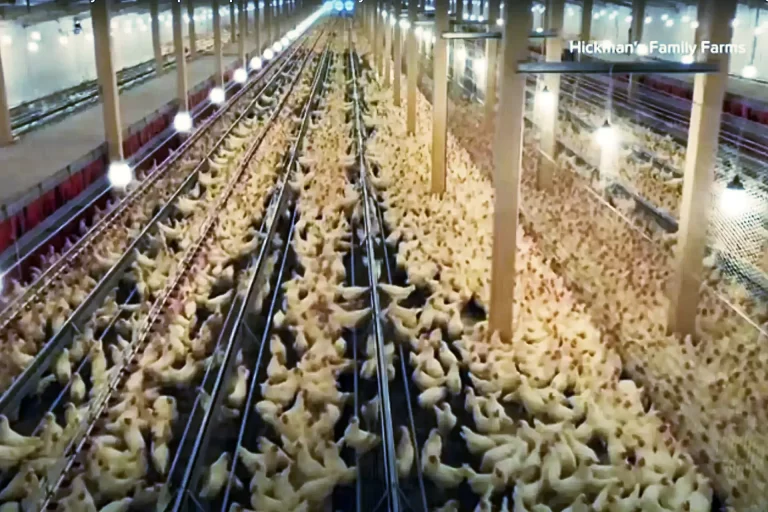

Tonopah residents, we’ve got another alarming update in the ongoing avian influenza crisis plaguing Hickman’s Family Farms.
On June 6, 2025, the Arizona Department of Agriculture (AZDA) issued a press release confirming a fourth commercial farm in Maricopa County—dubbed “Maricopa 05″—has tested positive for highly pathogenic avian influenza (HPAI).
This detection comes hot on the heels of outbreaks at Maricopa 02, 03, and 04, all tied to Hickman’s massive egg operations in our backyard.
Rising Environmental and Health Threats
According to the release, routine surveillance sampling on June 4 caught the virus before any birds showed clinical signs.
The facility doesn’t house egg-producing hens, but that hardly eases our concerns.
Samples were rushed to the Arizona Veterinary Diagnostic Lab and then confirmed by the National Veterinary Services Laboratory.
Instead of burial like at Maricopa 02, the poultry here are being “rendered on site through a heat and activation process.”
While AZDA touts this as a contained response, we at Tonopah STOPP question the long-term environmental fallout from yet another mass depopulation event at these industrial-scale farms.
Let’s break down the key details—and why they should worry every Tonopah family:
- Escalating Outbreaks: This is the fourth confirmed case in just weeks, underscoring how Hickman’s overcrowded CAFO model creates perfect breeding grounds for disease. With up to 12 million chickens crammed into facilities across 360 acres, viruses like HPAI spread like wildfire, threatening not just birds but our community’s air, water, and health.
- Disposal Concerns Persist: The press release admits carcasses from Maricopa 02 were buried on-site as an “interim measure” to curb infection spread. AZDA and the Arizona Department of Environmental Quality (ADEQ) claim there’s “no current threat to public health or groundwater,” but we’ve seen this before. Mass burials risk leaching contaminants into our wells—something we’ve warned about since the 2021 and 2019 fires at Hickman’s. For Maricopa 03 and 04, they’re containerizing and hauling to landfills, but what about the emissions, odors, and fly swarms during transport? Tonopah already suffers from noxious smells and air pollution from these operations; this only amplifies the burden.
- Public Health Risks Downplayed: The CDC is cited as saying the general public risk is low, mainly affecting workers in direct contact with birds. But let’s be real—Tonopah families live downwind and downstream from these farms. Ammonia emissions, VOCs contributing to ozone pollution, and now potential virus particles in the air? We’ve documented health issues like respiratory problems and headaches tied to Hickman’s for years. The release urges reporting sick birds to a hotline (1-866-536-7593), but what about monitoring human health in our rural community?
AZDA highlights collaboration with agencies like USDA, Arizona Department of Health Services, ADEQ, and others for a “quick and appropriate response.”
Yet, as a taxpayer-funded tragedy unfolds—remember, these outbreaks could cost millions in cleanup and lost production—we demand more transparency and accountability.
Call for Accountability and Action
Why aren’t stricter regulations in place to prevent these crises? Hickman’s history of fires, lawsuits, and environmental violations shows a pattern of prioritizing profits over people and the planet.
This latest outbreak is a stark reminder: Industrial egg farming isn’t sustainable for Tonopah.
It’s time to push for reforms, like the Farm System Reform Act, and support alternatives that don’t poison our air and water.
Join us in advocating for cleaner air, safer wells, and a healthier future—donate today to fuel our fight against these threats.
Stay informed and stay vigilant, Tonopah.
Share this post, contact your legislators, and let’s hold Hickman’s accountable.