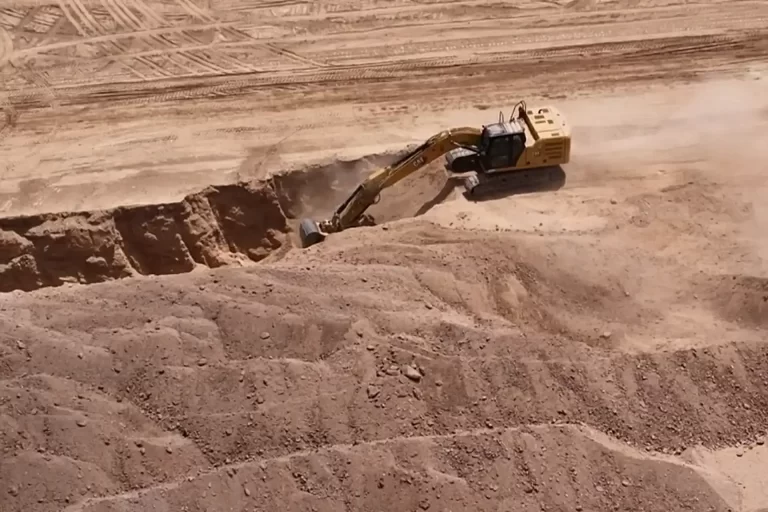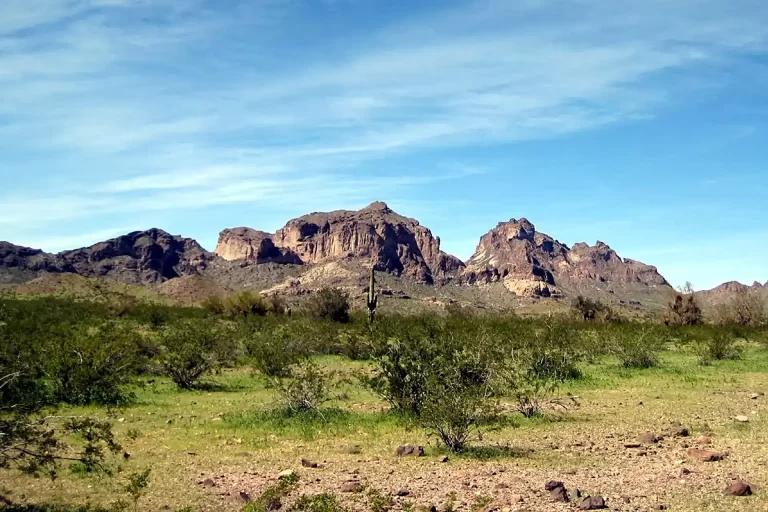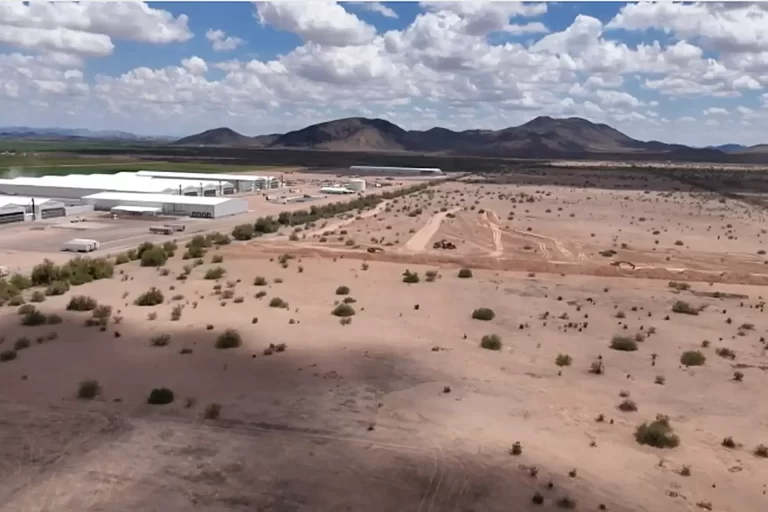

Tonopah STOPP continues its urgent fight to shield our desert community from the environmental fallout of industrial egg production at Hickman’s Family Farms.
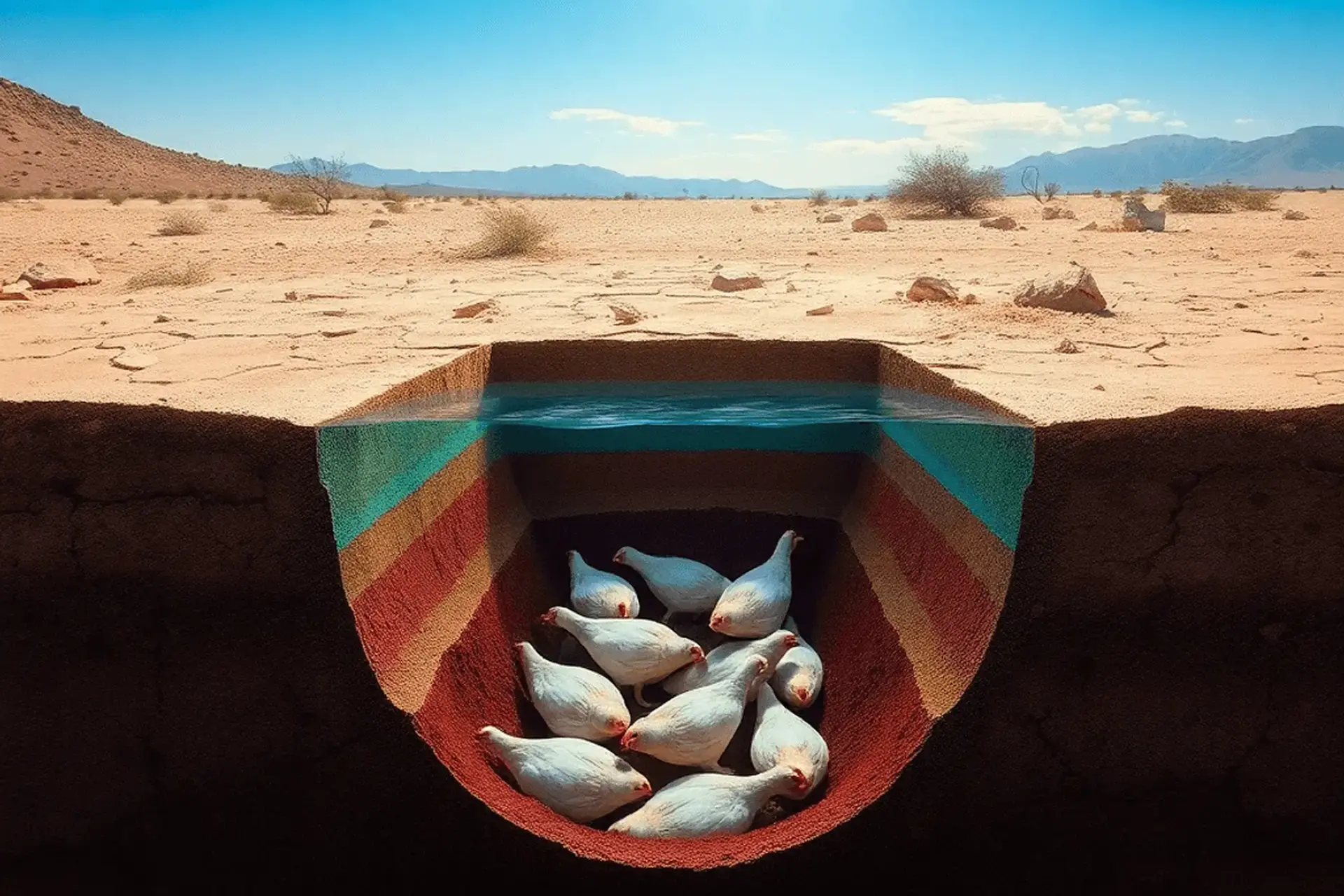
As the 2025 avian influenza outbreak ravages the facility—leading to the mass culling and burial of over 2 million chickens—a new expert report by agricultural engineer Albert J. Heber, Ph.D., P.E., spotlights the grave risks of unlined trench burials to our shallow groundwater.
Titled “Emergency Mortalities at Hickman Family Farms: With Notes from Literature” (dated July 2, 2025), Heber’s analysis critiques the rushed emergency waiver granted by ADEQ Director Karen Peters, which skipped pre-burial hydrological assessments despite known threats from H5N1 outbreaks.
Drawing on global studies like the 2016 Korean biosecurity protocols (Kim and Pramanik) and Ritter and Chirnside’s 1995 warnings on poultry burial pollution—both referenced in Heber’s work—this report demands accountability as post-burial testing looms.
Key Insights from Heber’s Report
Heber’s document dissects the Tonopah burial operation at 41717 Indian School Road, where trenches were dug perilously close to homes like that of resident Linda Butler.
Initially slated for landfill disposal, the plan shifted to on-site burial under ADEQ oversight, bypassing best practices and fueling public outrage.
Here’s what stands out:
- H5N1 Dangers and Rushed Decisions: The highly lethal H5N1 strain, transmissible to humans (as noted in Kim and Kim, 2012), prompted the emergency cull. Yet, ADEQ waived requirements for soil surveys, geology reviews, or liners—contradicting EPA guidelines that warn of bodily fluids and hazardous gases contaminating groundwater, endangering humans, livestock, and wildlife. Heber highlights Director Peters’ preemptive claim of “no current risk” as premature, with impact studies deferred until after the fact (Dana, June 20, 2025).
- Dismissive Official Statements: Glenn Hickman downplayed risks by comparing burials to “cemeteries and septic systems,” insisting scale doesn’t matter—a claim Heber debunks as factually unfounded. Similarly, Peters’ optimism ignores contingency plans; in a June 26 nomination hearing (McDaniel, 2025), it emerged that contamination would require pumping and treating the aquifer—a reactive fix after potential damage. Sheldon Jones’ nod to biosecurity plans falls short, as they don’t replace emergency mortality protocols.
- Literature on Burial Risks: Heber cites Ritter and Chirnside (1995)—echoed in the Korean study—for mandating certified soil scientist surveys before large-scale burials to prevent nitrogen and pathogen leaching. Global concerns mount (Avidov et al., 2023; Flory et al., 2017; Glanville et al., 2009), with EPA emphasizing health hazards from unlined pits. Burial ranks below composting and landfilling in preference, yet was chosen here amid opacity from agencies and Hickman’s.
- Best Management Practices Ignored: Drawing from USDA (2022) and Texas (2005) guidelines, Heber outlines essentials skipped in Tonopah:
- Site Selection: Avoid 100-year floodplains; ensure setbacks (50-200 ft from residences, 150 ft from private wells/streams, 500 ft from public wells). Divert runoff to prevent pit infiltration.
- Construction: Layer carcasses no thicker than 1 ft, cover each with 1 ft soil; mound sites with 2 ft soil and refill subsidence. Use NRCS soil maps classifying sites as “not limited,” “somewhat limited,” or “very limited”—Tonopah’s suitability was unassessed.
- Timing and Monitoring: Dispose within 72 hours; time burials to account for expansion (leave pits uncovered initially if permitted); retain topsoil for regrading. No floodplain, bedrock, or high-water-table locations.
Heber warns that without these, Tonopah’s burials mirror past failures, risking long-term aquifer pollution in an area with vulnerable, shallow wells.
Why This Matters for Tonopah: Echoes of Global Warnings
Heber’s report builds on the Korean biosecurity study (Kim and Pramanik, 2016), which stressed leachate monitoring and liners to curb secondary pollution from rushed FMD/AI burials—issues replaying here with H5N1.
It also aligns with Ritter and Chirnside’s call for preemptive soil evaluations, underscoring how Tonopah’s unlined trenches near residences could leach ammonia, pathogens, and antibiotics into our sole water source.
As we’ve warned in posts like “Protecting Tonopah’s Well Water: Understanding the Risks of Mass Poultry Burial”, this endangers health (respiratory issues, H5N1 zoonosis) and amplifies odors/flies from Hickman’s CAFO.
With no public info shared pre-burial, trust erodes—especially as taxpayer funds may foot cleanup bills if contamination hits.
This isn’t isolated; it ties to airborne H5N1 spread risks from the Czech study (Nagy et al., 2025), where wind carried virus between farms.
Combined, these highlight how Hickman’s operations—dense, ventilated, and now burial-prone—threaten beyond site boundaries.
Tonopah STOPP’s Push for Change
Heber’s analysis fuels our campaigns:
- Demanding immediate, transparent post-burial testing with public results.
- Advocating for mandatory pre-emergency assessments, liners, and alternatives like composting.
- Supporting legislation to enforce USDA setbacks and NRCS suitability in AZ CAFO permits.
Join us in holding Hickman’s and ADEQ accountable—donate today to fund water testing and legal advocacy for a pollution-free Tonopah.