
Tonopah STOPP continues its mission to safeguard community health and the environment from the harms of industrial-scale poultry operations like Hickman’s Family Farms.
With the recent 2025 avian bird flu crisis at Hickman’s—resulting in mass culling and potential burial of millions of birds—we turn to global insights for better practices.
A 2016 study by Geon-ha Kim and Sudipta Pramanik, published in Environmental Geochemistry and Health, examines biosecurity procedures for environmental management of carcass burial sites in Korea.
Drawing from massive outbreaks of avian influenza (AI) and foot-and-mouth disease (FMD), the paper highlights risks like groundwater pollution, leachate contamination, and pathogen spread, while proposing enhanced protocols.
This research is timely for Tonopah, where similar burial practices could threaten our well water and air quality.
Key Findings from the Study The study analyzes Korea’s response to AI and FMD epidemics, which led to the rapid construction of thousands of burial sites for culled livestock—often under time constraints that compromised safety.
Burial remains a primary disposal method due to its speed and cost-effectiveness, but it poses secondary pollution risks, including nitrogen contamination, ammonia emissions, and antibiotic residues leaching into soil and water.
- Disease Characteristics: AI (especially HPAI H5N1) and FMD are highly contagious, with FMD spreading via direct contact, indirect fomites (e.g., vehicles, equipment), or airborne routes up to 250 km over water. The study notes high mortality in young animals and potential for human pandemics from AI mutations.
- Burial Site Construction: Korean guidelines (from the Ministry of Environment) specify pits with waterproof liners, leachate collection wells, gas exhaust pipes, and lime layers to isolate pathogens. Pits must be at least 2 m deep, with sloped floors and gravel filters for leachate flow.
- Post-Management Proposals: The authors suggest five biosecurity enhancements to Standard Operating Procedures (SOPs):
- Leachate Disposal: Collect, test for viruses, and transport to treatment plants—but disinfect vehicles and avoid spraying disinfectants that slow decomposition.
- Pollution Monitoring: Use a Leachate Pollution Index (LPI) with expanded parameters (e.g., pH, COD, BOD, antibiotics) beyond just chloride and ammonia; extend monitoring beyond 4 years for full decomposition.
- Rainy Season Management: Cover sites with impermeable materials and install drainage to prevent rainwater infiltration and contaminant diffusion.
- Odor Control: Limit chemical sprays to avoid land contamination; further research needed for relocation of poorly built sites.
- Sterilization: Select disinfectants based on virus type (lipophilic vs. hydrophilic); caution with strong acids/bases near farmland.
- Biosafety Risks: Leachate can carry pathogens, antibiotics, and organics, potentially contaminating groundwater up to 30 m away. The study cites cases where manure applications nearby complicate pollution source identification.
- Global Comparisons: References EPA biosecurity for U.S. farm visits (e.g., handwashing, boot covers, no recent animal contact) and EU restrictions on burials to prevent pathogen entry into food chains.
Results emphasize that rushed burials (e.g., during Korea’s 2010 FMD outbreak) led to liner damage, clogged wells, and pathogen spread risks.
Proper site selection, long-term monitoring, and low-cost manure treatments (like lime stabilization) are urged to mitigate impacts.
Relevance to Tonopah’s Fight Against Hickman’s
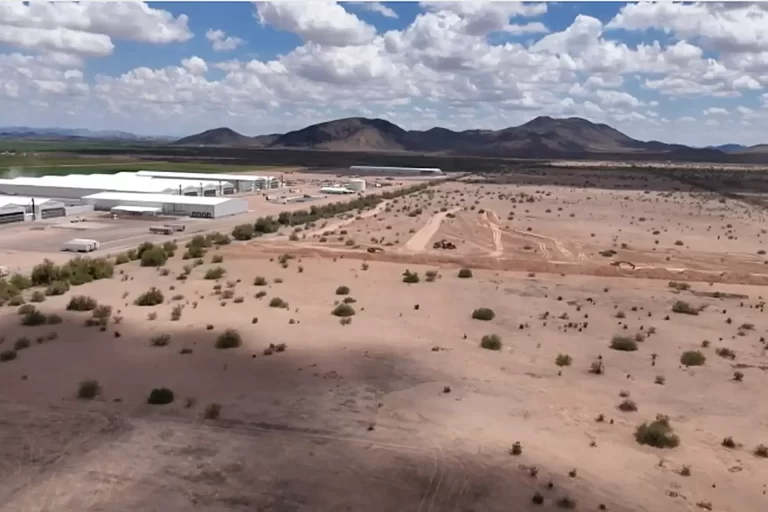
This Korean study mirrors Tonopah’s concerns amid Hickman’s 2025 avian flu outbreak, where mass burials risk contaminating our groundwater—critical in a desert community reliant on wells.
As documented in our recent posts, such as “Protecting Tonopah’s Well Water: Understanding the Risks of Mass Poultry Burial“, improper disposal could release ammonia, VOCs, and pathogens, exacerbating air pollution and health issues like respiratory problems.
The study’s call for robust LPI monitoring and seasonal protections aligns with our advocacy for stricter regulations on CAFOs.
Without these, Tonopah faces similar “secondary pollution” as Korea, including odor nuisances and ecosystem harm.
Our Campaigns in Action Tonopah STOPP draws from this research to push for:
- Enhanced air and water quality assessments near Hickman’s, incorporating LPI-like tools.
- Alternatives to mass burial, such as composting or incineration, to reduce environmental footprints.
- Community education on biosecurity to hold industrial farms accountable.
Support our efforts with a donation to fund advocacy and studies for cleaner air and safer water in Tonopah.
Stay updated via our blog for more on environmental impacts from mega-farms.