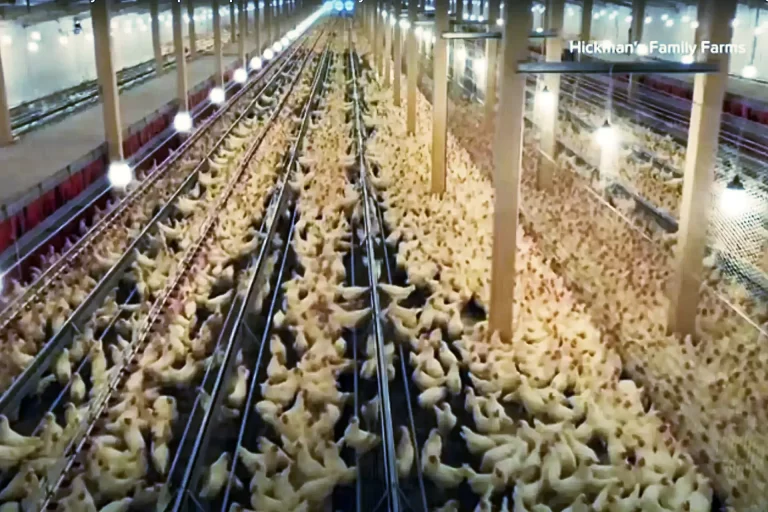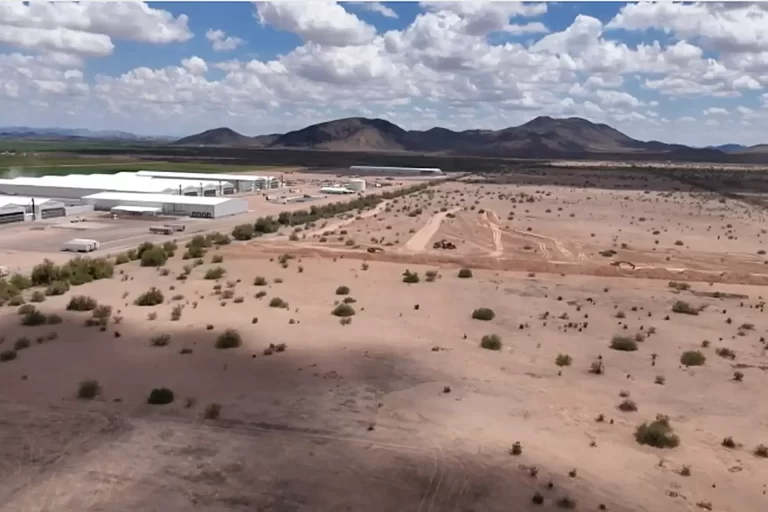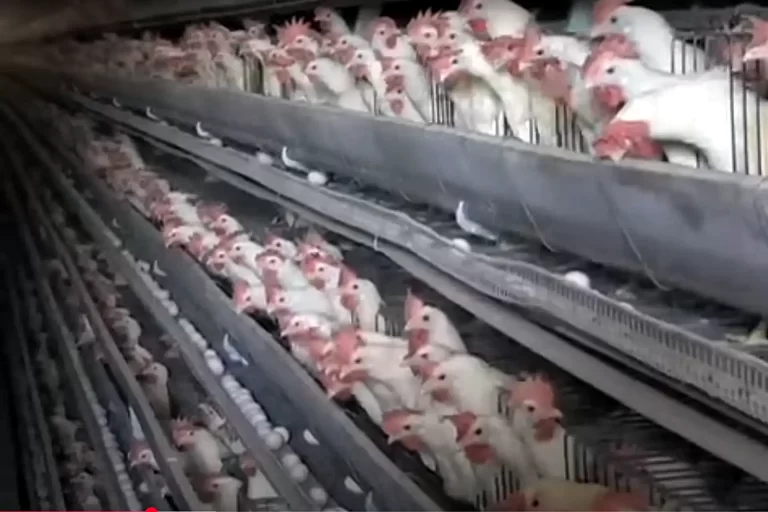

On June 29, 2025, the Arizona State Senate Committee on Director Nominations held a confirmation hearing for Karen Peters, nominee for Director of the Arizona Department of Environmental Quality (ADEQ). A significant portion of the discussion centered on a recent avian bird influenza outbreak at Hickman’s Family Farms in Arizona’s West Valley, highlighting the environmental, regulatory, and public health challenges of managing such a crisis. This blog post details the outbreak, ADEQ’s response, and the concerns raised by legislators and the public, drawing directly from the hearing transcript.
The Scale of the Outbreak
The avian influenza outbreak at Hickman’s Family Farms was described as a “tragic and difficult situation” (00:19:32) by Karen Peters, requiring the culling of 6 million egg-laying birds under federal regulations. This massive depopulation, affecting “a longstanding business that employs many, many people” (00:19:47), created an urgent need to dispose of the carcasses while minimizing environmental and public health risks. The scale of the event—unprecedented in Arizona—posed significant logistical challenges, particularly given the state’s reliance on groundwater for drinking water.
ADEQ’s Initial Response and Emergency Measures
On a Saturday in May 2025, ADEQ was contacted to provide guidance on the regulatory structure for disposing of the carcasses (00:20:15). Peters explained, “We did give the green light for burial of the carcasses, which is an approved disposal method per the USDA” (00:20:35). This decision was made under emergency conditions, as “it was extremely hot, they were decomposing, the working conditions were extraordinarily difficult” (00:09:12). ADEQ lacked immediate data on “the depth of groundwater” or “the nature of the soils” at the site (00:07:03), complicating assessments of contamination risks.
The agency issued a 90-day temporary waiver under the Aquifer Protection Permit (APP) program, allowing Hickman’s to bury over 2 million birds (01:05:11). Peters noted, “The waiver allows for Hickman’s and the area to get a better understanding within a very tight window of time, what is the baseline condition of that aquifer? What are the soils? What is hydrology? Is there a reasonable probability that there will be a discharge to that Aquifer” (01:08:11). This temporary measure was intended to address immediate risks while further studies were conducted.
Shift to Landfill Disposal
Within weeks, ADEQ pivoted to halt further burials, requiring landfill disposal to better protect groundwater. Peters stated, “We contacted them and said you cannot bury any more, you need to stop burying, we need you to send all of this material to a landfill” (01:08:18). This shift required significant resources, including “special liners for roll-off containers, special PPE, personal protective equipment” (01:18:07). The state allocated up to $1.5 million in emergency funds to support this effort, as “it took us days to mobilize, to get the trucks and the contractors and all the equipment” (01:09:33).
Legislative and Public Concerns
The hearing revealed deep concerns from legislators and the public about ADEQ’s handling of the situation, particularly regarding groundwater protection. Senator Jake Hoffman challenged the initial burial decision, stating, “Why even take the risk? … It seems like the epitome of bad government … We have to bury the chickens to see what happens with the chickens” (01:08:53–01:09:04). He emphasized Arizona’s unique water concerns, noting, “All over the country doesn’t have the same water concerns that Arizona has” (01:06:11). Arizona’s aquifers are designated for drinking water use under the APP program, making contamination risks a critical issue (01:06:36).
Senator Kavanagh questioned the financial implications, noting that Hickman’s is eligible for up to $100 million in USDA indemnity payments ($16.94 per hen) (01:19:07). He pressed Peters on recovering the $1.5 million in taxpayer funds, asking, “Why did we pay for the initial remediation when the person apparently just got millions?” (01:17:26). Peters responded, “Whether it’s appropriate to seek cost recovery from the company, I will talk to our attorneys and we’ll determine whether that’s something we can do” (01:21:01), indicating that cost recovery remains under consideration pending further evaluation.
Public testimony echoed these concerns. Henry Lynn expressed distrust, stating, “She’s gonna act in ways that can harm us … Burying millions of chickens in the ground that are going to pollute the groundwater” (00:27:47). Donna Lynn, reading testimony on behalf of Marissa Hamilton, criticized Peters’ judgment, saying, “If she can’t handle properly disposing of chickens, unaware that she could contaminate the ground and the drinking water, then I’m really not sure if we can trust her with much else” (00:30:48).
Ongoing Assessments and Remediation Plans
ADEQ is actively assessing the site’s hydrological conditions to determine if an APP is required. Peters explained, “When we get through all of the milestones that are set forth in that waiver over the 90-day period, we’ll have a much better understanding of whether an APP is required” (01:10:12). If contamination risks are confirmed, remediation could involve “pumping and treating groundwater so that the contamination does not migrate off site” (01:14:25). However, Peters clarified that digging up the buried carcasses is unlikely due to USDA requirements for resuming egg operations, stating, “We had to come up with a solution that would allow the chickens to remain in place” (01:11:06).
The absence of liners in the initial burial was a point of contention. When asked if a liner was required as a condition of the waiver, Peters responded, “As a condition of getting the waiver, it was not” (01:13:34). She explained that installing a liner would have taken “weeks, if not months” and required engineering expertise, which was infeasible during the emergency (01:22:41–01:22:45).
Implications for Arizona
The Hickman’s outbreak underscores the tension between rapid emergency response and long-term environmental protection. Peters defended ADEQ’s actions, stating, “We intervened to make sure that the material was landfilled … to prevent further harm” (01:24:10). However, the decision to allow initial burials without comprehensive data sparked fears of groundwater contamination, a critical issue in a state where “every groundwater aquifer is designated for drinking water use” (01:10:56).
The financial burden on taxpayers, coupled with Hickman’s potential federal payout, raised questions about accountability. Public distrust, as voiced by Lynn and others, reflects broader concerns about transparency and the adequacy of ADEQ’s oversight. The ongoing 90-day assessment period will be crucial in determining whether additional remediation is needed to protect Arizona’s groundwater.
Call to Action
Arizonans can stay engaged by:
- Monitoring Updates: Visit www.azdeq.gov for updates on the Hickman’s site assessment and groundwater monitoring.
- Reporting Concerns: Contact ADEQ or the Arizona Department of Agriculture with any environmental or public health concerns related to avian influenza.
- Participating in Public Forums: Attend legislative hearings or submit comments to ensure accountability in environmental decision-making.
AZ Senate Committee Meeting 6-29-2025
- The full hearing can be accessed at www.azleg.gov (video link: https://www.azleg.gov/videoplayer/?clientID=6361162879&eventID=2025061043
- Relevant Segments:
19:15 – 21:08
1:04:40 -1:24:40
1:30:40 – 1:33:02
2:26:20 – 2:28:13
2:30:31 – 2:30:36
2:48:16 – 2:49:42